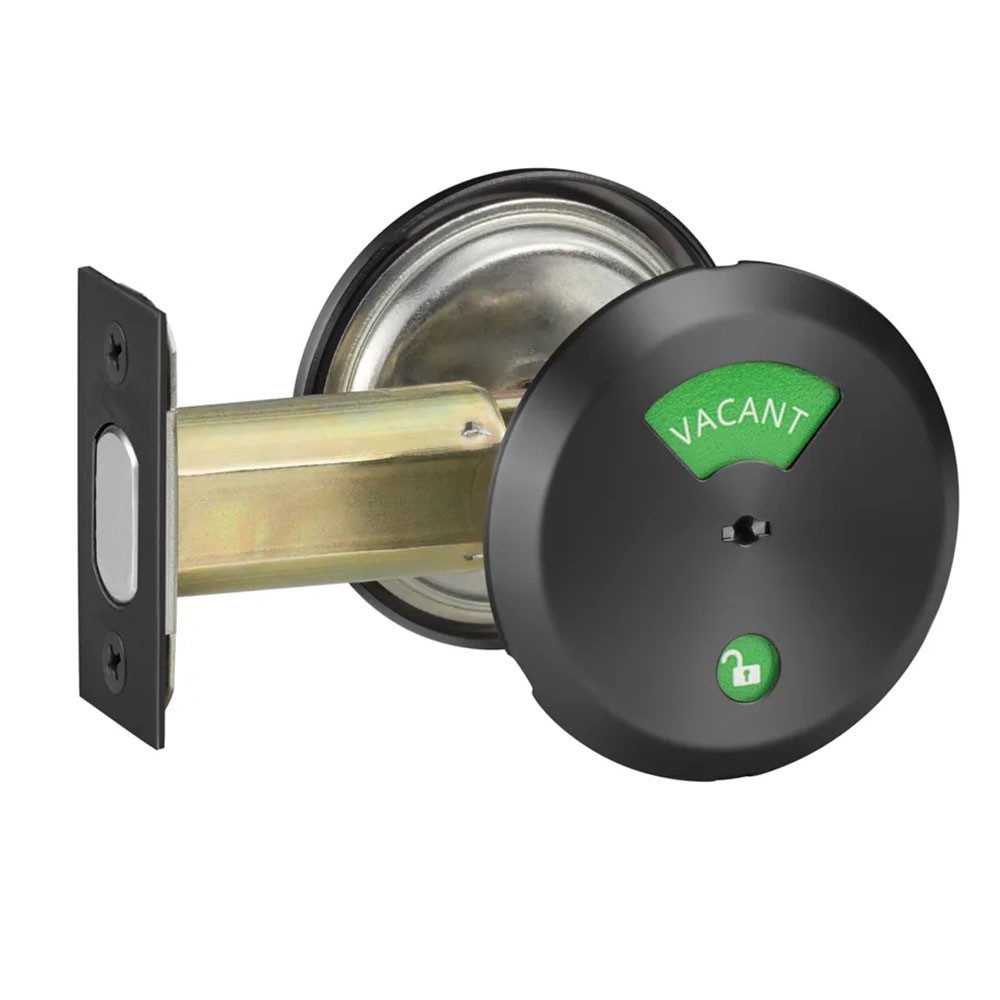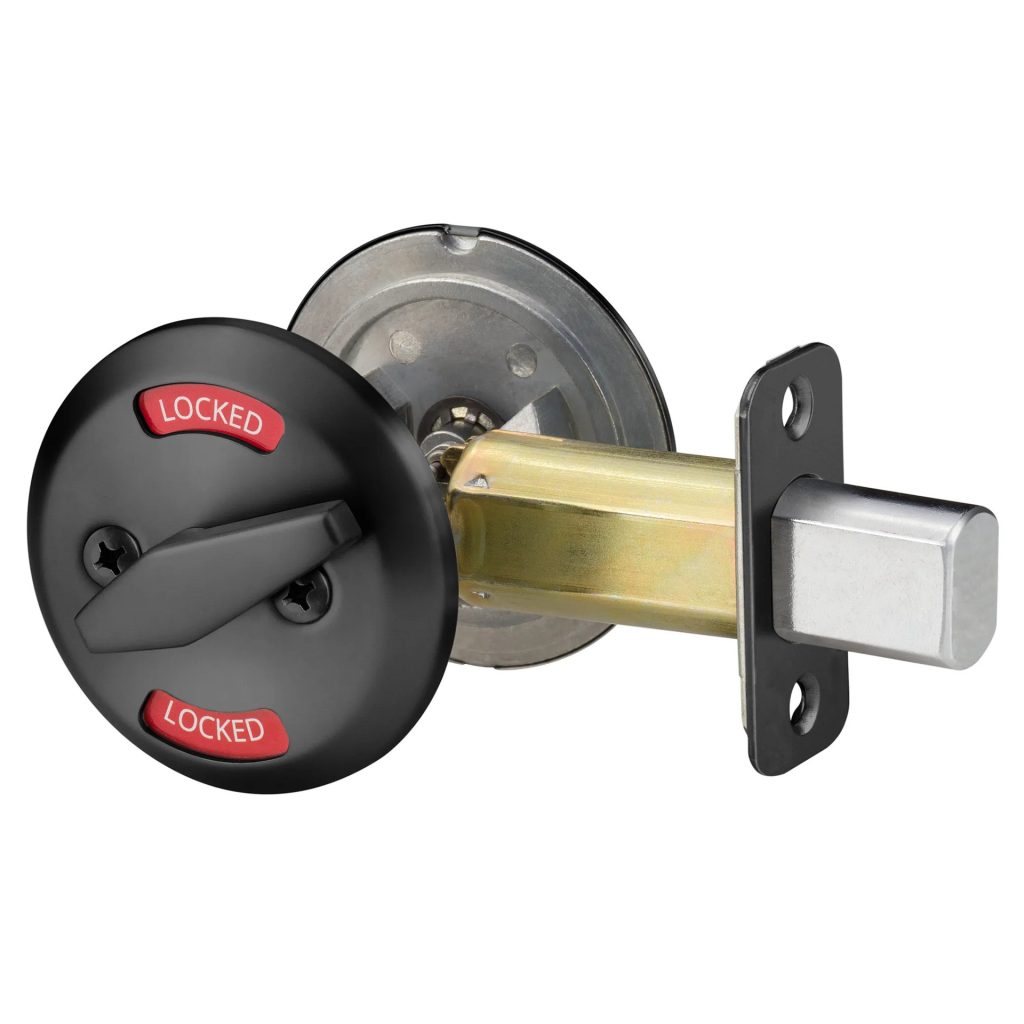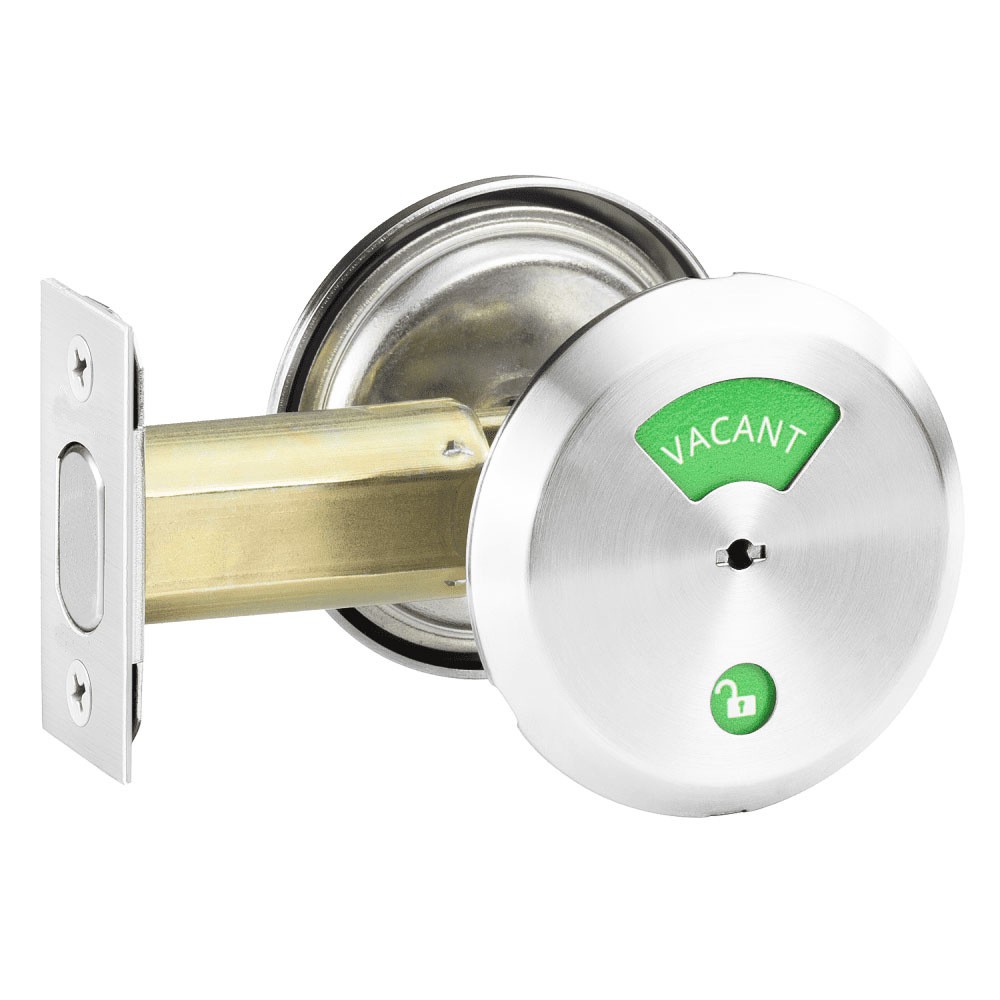
Walk into any commercial restroom, office privacy room, or retail dressing room, and you’ll likely spot an indicator mechanical deadbolt—the sleek lock with a “VACANT/OCCUPIED” sign that balances privacy and accessibility. These American-standard fixtures are workhorses for high-traffic spaces, but they’re not immune to wear, user error, or design quirks.
If you’ve ever dealt with a stuck indicator, a jammed bolt, or a sign that won’t switch, you’re not alone. Below, we break down the most common problems with these locks in 2026 (and the latest fixes to keep your spaces functional).
1. The Indicator Won’t Switch Between “VACANT” and “OCCUPIED”
This is the #1 complaint we hear—and it’s usually not a hardware failure.
Why it happens:
- Debris buildup: Dust, lotion, or restroom cleaner can clog the indicator’s sliding mechanism (especially in high-moisture spaces like bathrooms).
- Misalignment: Over time, the lock’s escutcheon (the trim plate) can shift slightly, throwing off the indicator’s connection to the bolt.
- User error: Some users force the indicator instead of letting the bolt’s movement trigger it (e.g., trying to flip the sign without turning the lock).
2026 fixes:
- Quick clean: Remove the escutcheon (use a small screwdriver) and wipe the indicator track with a dry microfiber cloth + a drop of silicone lubricant (avoid oil-based lubes—they attract more dust).
- Realign the escutcheon: Loosen the mounting screws, adjust the plate so the indicator aligns with the bolt’s position, then retighten (use a level to ensure it’s straight).
- Post clear instructions: Add a small sticker near the lock: “Turn the lock to switch the sign—do not force the indicator.”
2. The Bolt Jams Mid-Extension
A jammed deadbolt isn’t just frustrating—it can trap someone inside (or lock them out).
Why it happens:
- Door warping: Temperature/humidity fluctuations (common in older commercial buildings) can cause doors to expand, misaligning the bolt with the strike plate.
- Worn bolt components: The mechanical deadbolt’s spring or roller pins can wear down after years of use, preventing smooth movement.
- Incorrect backset fit: If the lock was installed with a backset (distance from the door edge to the lock’s center) that doesn’t match the door, the bolt may catch on the strike plate.
2026 fixes:
- Adjust the strike plate: Loosen the plate’s screws and shift it 1–2mm (use a pencil to mark the bolt’s path first) to align with the bolt. For severe warping, install an adjustable strike plate (a 2026 trend for flexible door fit).
- Replace worn parts: Most 2026 indicator deadbolts come with replaceable spring/roller kits (order a kit matching your lock’s model—look for “American standard deadbolt replacement components” online).
- Verify backset compatibility: Double-check that your lock uses 2-3/8” (60mm) or 2-3/4” (70mm) backsets (the standard for American doors). If not, swap in a lock that fits your door’s measurements.
3. The Emergency Key Won’t Operate the Lock
Emergency key access is non-negotiable for safety (think: a person needing help inside a locked restroom). When the key fails, it’s a liability.
Why it happens:
- Key wear or damage: Repeated use (or a bent key) can strip the lock’s cylinder pins.
- Cylinder misalignment: If the lock’s cylinder was installed crookedly, the key won’t engage the pins properly.
- Lubricant buildup: Old lubricant can harden inside the cylinder, blocking key movement.
2026 fixes:
- Use a key copy (not the original): In 2026, many facilities keep a high-quality, laser-cut key copy for daily use (reserve the original for emergencies—laser copies resist wear better than standard duplicates).
- Realign the cylinder: Remove the escutcheon, loosen the cylinder’s set screw, and twist it until the key inserts smoothly. Retighten the screw and test repeatedly.
- Clean the cylinder: Blow compressed air into the keyhole, then apply a graphite-based lock lubricant (2026’s preferred option—won’t gum up like oil). Insert and remove the key 5–10 times to distribute the lubricant.
4. The Lock’s Finish Fades or Corrodes
In high-moisture spaces (like public restrooms), even “rust-resistant” finishes can degrade.
Why it happens:
- Harsh cleaners: Bleach or acidic disinfectants eat away at satin chrome or stainless steel finishes.
- Constant moisture: Steam, water splashes, and humidity accelerate corrosion (common in pool facilities or coastal buildings).
2026 fixes:
- Switch to pH-neutral cleaners: Use mild soap + water to wipe the lock—avoid abrasive sponges or chemical-heavy sprays.
- Upgrade to a 2026 corrosion-resistant finish: Many new indicator deadbolts now use PVD (Physical Vapor Deposition) satin chrome—a durable, scratch-resistant finish that withstands moisture 3x longer than traditional plating.
- Add a protective coating: For existing locks, apply a clear, water-based ceramic coating (designed for metal fixtures) to repel moisture and cleaners.
Final Tips: Extend Your Lock’s Lifespan in 2026
To keep your American indicator mechanical deadbolt working for 5+ years:
- Inspect the lock monthly (check the indicator, bolt movement, and key access).
- Lubricate the bolt and indicator mechanism every 3 months (use silicone or graphite lubes).
- Train staff on proper use (no forcing the indicator, no slamming doors).
Indicator deadbolts are essential for modern commercial spaces—but a little maintenance goes a long way. By addressing these common issues early, you’ll avoid downtime, improve user experience, and keep your spaces compliant with accessibility and safety standards.
SEO Meta Details
- Title Tag: American Indicator Mechanical Deadbolts: Common Issues & 2026 Fixes
- Meta Description: Troubleshoot stuck indicators, jammed bolts, or key failures with American indicator mechanical deadbolts. 2026’s latest fixes for commercial restrooms, offices, and more.