When selecting door locks, understanding the distinctions between commercial and residential types is critical for meeting security, durability, and compliance needs.
Commercial door locks are engineered for high-traffic environments like offices, retail stores, and public buildings. They typically comply with strict industry standards such as ANSI/BHMA Grade 1 or 2, ensuring they withstand 400,000+ or 200,000+ lock-unlock cycles respectively. Many also meet ADA accessibility requirements, featuring lever-style handles that are easy to operate with limited hand strength. Additionally, commercial locks often integrate with access control systems, supporting keyless entry via cards, codes, or biometrics, and may hold UL fire safety certifications for use in commercial buildings.
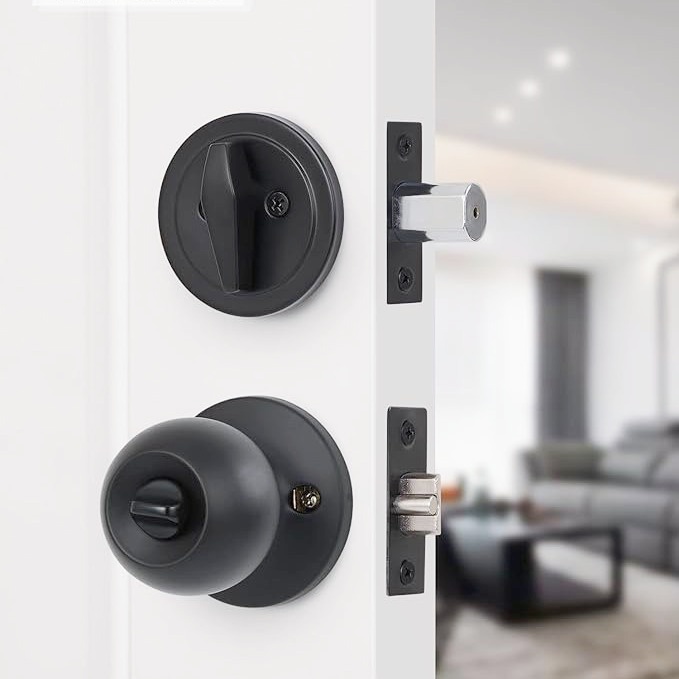
In contrast, residential door locks prioritize home security and aesthetics, with no mandatory ANSI grade requirements for most household applications. Designed for lower traffic, they usually handle 100,000 cycles or less. Common types include deadbolts and knob locks, which focus on basic anti-theft functions rather than complex access management. Residential locks also come in diverse styles to match home decor, a factor less emphasized in commercial designs.
In summary, commercial locks excel in durability, compliance and smart integration, while residential locks balance security with visual appeal for daily household use.